
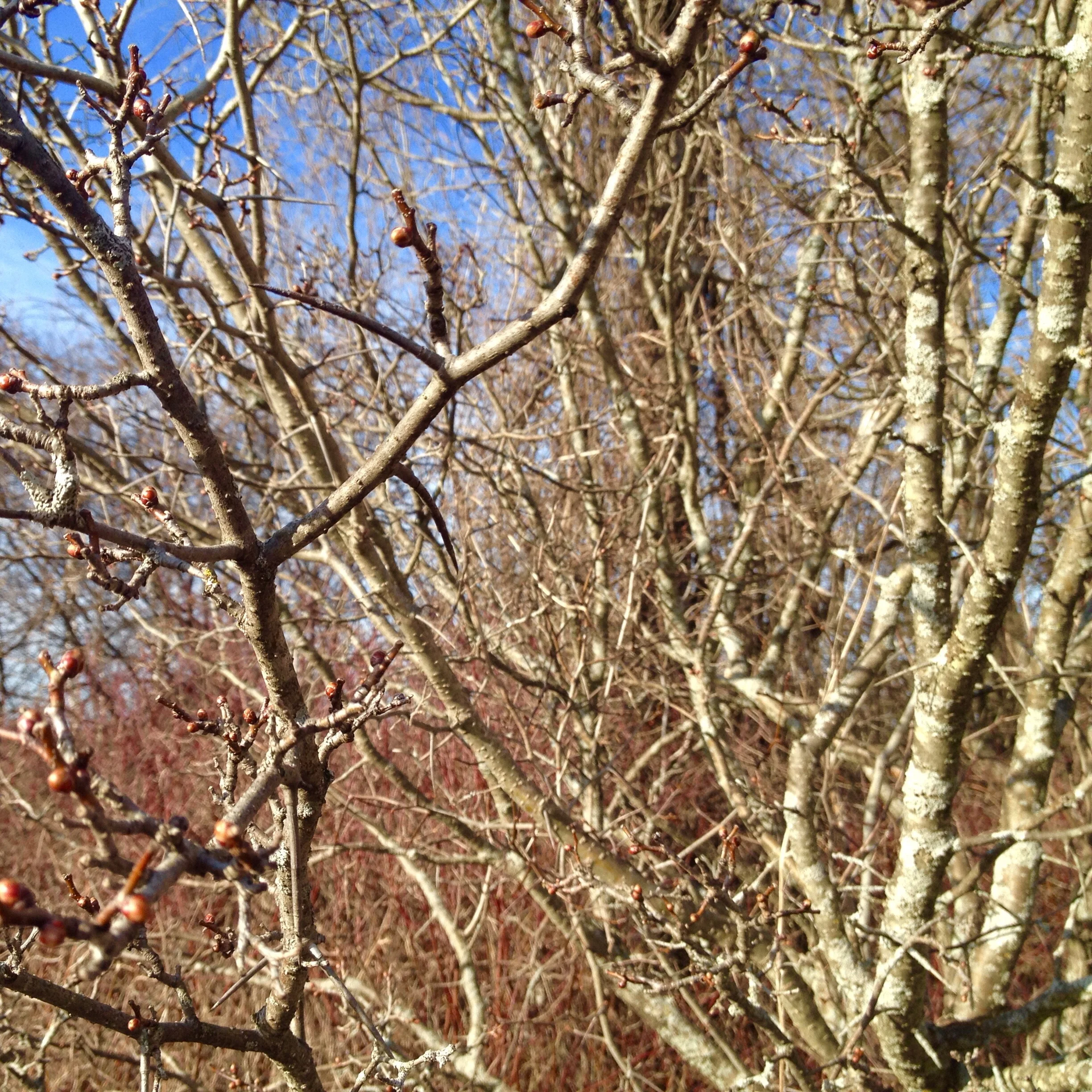
Hawthorn Love: Easter Sunday pruning
My favorite little hawthorn tree, which sits between the garden and our stream and is surrounded by comfrey, always needs a little love this time of year.
After an early dinner with neighbors to celebrate Easter, the sun came out and the air warmed up, and the yard was calling our names. My favorite little hawthorn tree, which sits between the garden and our stream and is surrounded by comfrey, always needs a little love this time of year. The wild grapes and Virginia creeper and wild cucumber all love to climb onto the low branches of the hawthorn and quickly engulf the small tree. During the summer, I cut the vines off from the ground, but leave the remaining vine up in the tree to avoid ripping down too many leaves. Each spring, I carefully pull out the dead vines to give the hawthorn a fresh start...a little ahead of this year's vines.
This year, I also pruned two small branches off the tree that were growing cross-wise. The overall shape of the tree is just darling, so I was careful not to go crazy pruning away branches, as it's easy to do once you get the loppers out. Just as if you were painting a portrait, it is very important to take a step back and look at your work while pruning a tree, or you might just go overboard.

While I was out in the yard, I also pruned a few branches off of a forsythia bush because I love to force them into bloom in the house this time of year. I'm trying to force the hawthorn as well, and took a small branch from our apple tree because the blooms are so pretty. Stay posted for a blog about forcing forsythia soon. For now, here's a picture of all the branches sitting in warm water in a sunny window, starting to wake up:
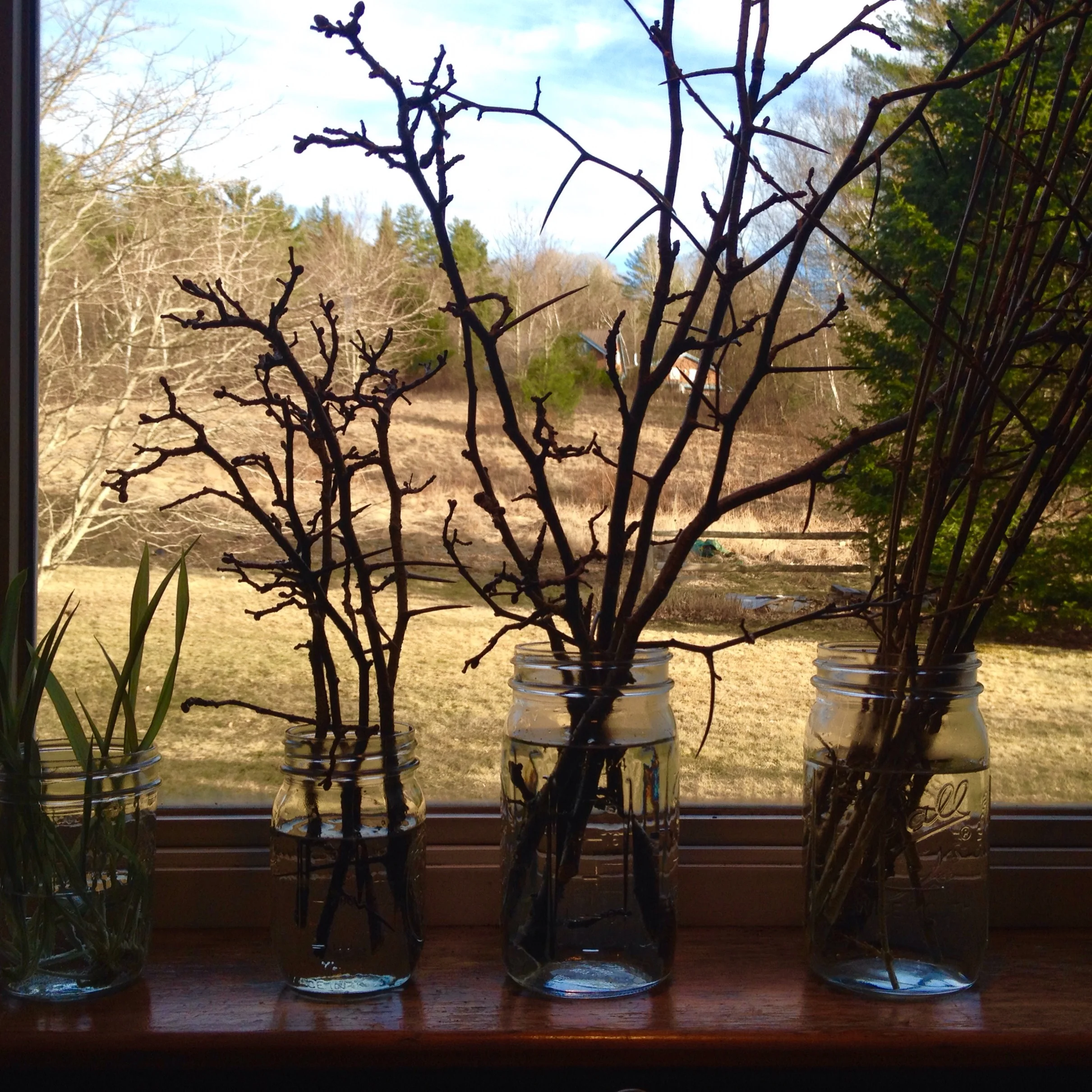
twigs soaking in warm water
In the garden near the hawthorn, the horseradish roots are just starting to sprout. I haven't harvested them in a few years, so this year will definitely be a horseradish year (get out the goggles!).
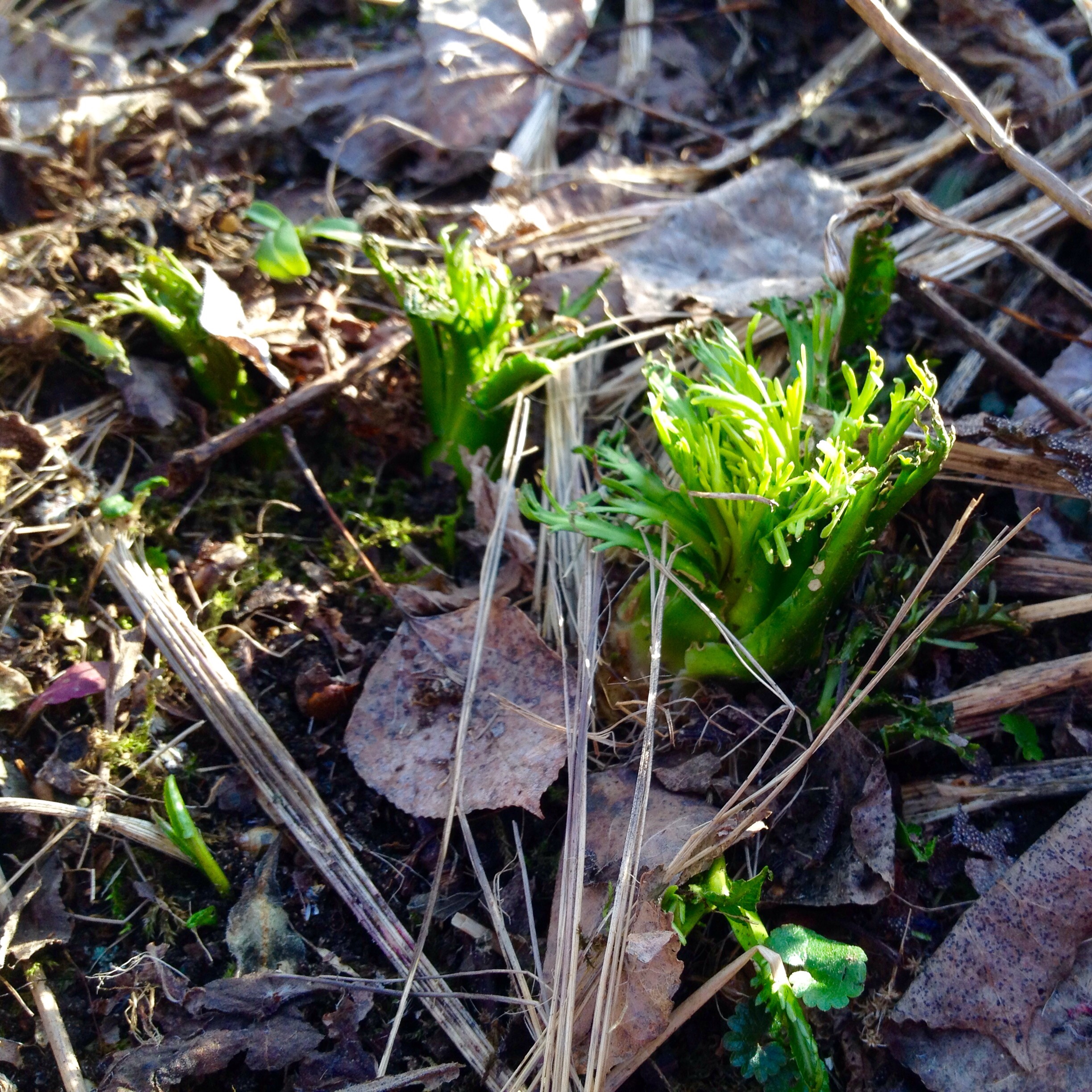
horseradish sprouts
It's such a wonderful time of year, as everything wakes up to greet the warming sun. Happy Easter/Ostara, everyone!!!
A Walk in the Suburbs
As soon as the sun begins to get brighter, it always feels good to get moving outside, even if it's still cold, though this week has been unseasonably warm. Today, there were signs of life as the birds sang and the squirrels chattered, and a few hardy plants showed their leaves.
While visiting friends in New York, I've been taking quite a few late-February walks around the neighborhood with the little dog. We are good wandering companions, as she stops every so often to sniff, and I stop every so often to gaze at greens and trees. We understand each other.
As soon as the sun begins to get brighter, it always feels good to get moving outside, even if it's still cold, though this week has been unseasonably warm. Today, there were signs of life as the birds sang and the squirrels chattered, and a few hardy plants showed their leaves.
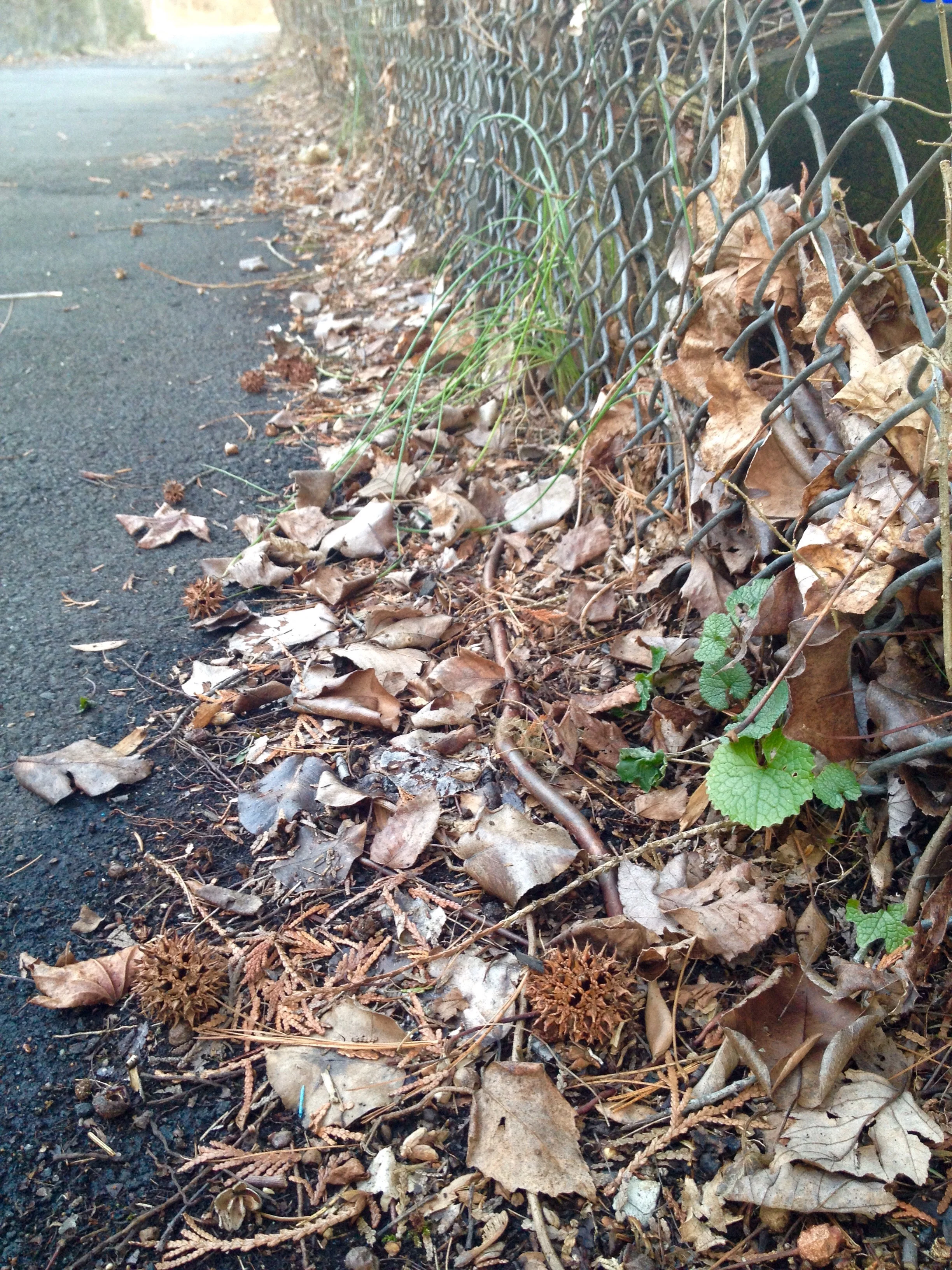
Here's a shot with sycamore pods, wild onions, and the smallest garlic mustards just coming up. The greens already taste like garlic (yum!), though there weren't enough to harvest, and this wasn't a safe place to do so anyway. Garlic mustard is a particularly wonderful early green, if you can find it. In many parts of the Northeast, it grows rampant through the edges of the woods, growing tall and flowering white later in the season. The young leaves are best cooked like spinach before the plants flower, and there's no need to season them, as they carry their own garlic flavor.
The downside of this plant being considered a noxious weed is that people have a tendency to spray herbicide on the plants to fight the spread, so we must always be careful where we harvest. Also, although they smell wonderful, eat only a small amount at first, as any new food could cause adverse reactions. Upon my first harvest of garlic mustard, I ate an entire bowl of the steamed leaves and felt rather ill afterwards. I still pick them as a trail nibble and try to appreciate the use of an otherwise notorious "weed."

After a slow trip through an overgrown lane, we came upon these two gorgeous trees. I'm pretty sure they are shagbark hickories, as I found thick nut husks underneath and the bark is very shaggy. A hearty "thank you" to whatever soul planted these beauties so long ago for us to now enjoy. Someone once said "the best time to plant a tree is twenty years ago." That goes double for nut trees. If you want to make a difference for decades to come, plant a nut tree yesterday.

Happy wandering!















Natural Protection for the Outdoors
Herbal Bug Spray is a refreshing, herb-infused mist designed to keep your comfortable during your time outdoors. Made with thyme and other herbs grown on our farm, this formula is thoughtfully crafted to help you enjoy nature without unwatned distractions. Light and easy to apply, it is perfect for hikes, picnics, or any adventure under the open sky.
Best For: Outdoor Adventures, Hiking, Gardening, Camping
Not for use on pets.
This 56 mL bottle comes with a treatment pump that can be refilled twice with our Herbal Bug Spray Refill.
We offer sliding scale prices. Please select an option below to support our small business at a price that matches your ability to pay.